As of November 11, 2026, a custody shift was drawing attention: BlackRock digital-assets head Robbie Mitchnick said large Bitcoin holders were converting directly held BTC into shares of its IBIT exchange-traded fund through in-kind transactions. He cited physical security and peace of mind as major reasons. The move does not eliminate custody risk; it changes who manages it.
Security concerns behind the shift
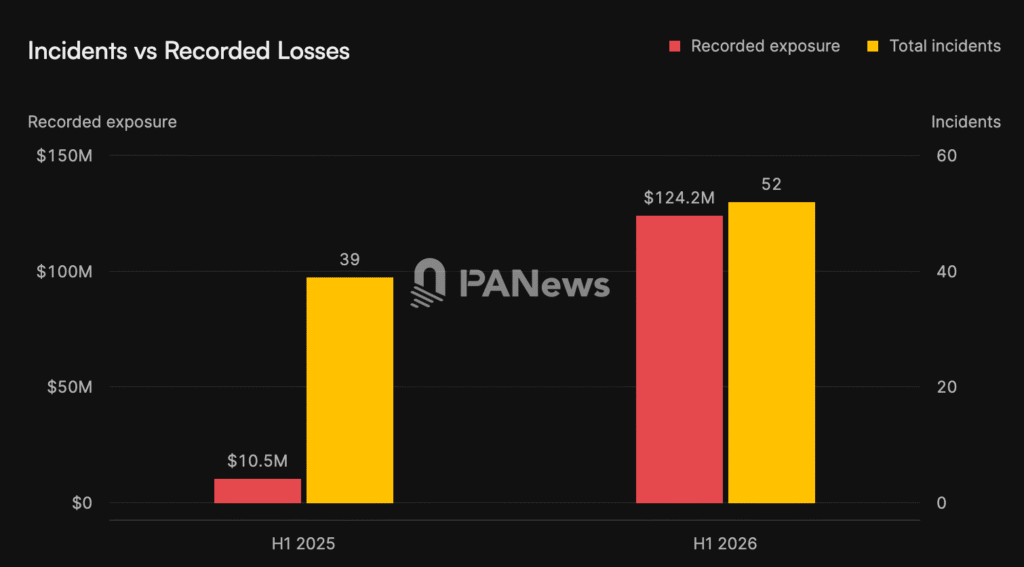
Blockchain security company CertiK recorded 52 violent attacks targeting crypto holders worldwide in the first half of 2026, up 33.3% year over year. It put the recorded funds exposed in those incidents at about $124.1 million, versus $10.5 million a year earlier. France accounted for 33 of the reported attacks. Such threats can bypass technical wallet protections by targeting the person who controls the keys.
The November 11 report also described concerns about hardware-wallet supply chains and security incidents at exchanges. Those are distinct risks: an attack on an exchange’s wallet systems, for example, does not establish a flaw in the Bitcoin network itself.
What an ETF changes—and what it does not
Mitchnick said BlackRock had recorded roughly $3.6 billion in in-kind conversions from directly held Bitcoin into IBIT shares since regulators approved crypto-asset in-kind creations and redemptions in 2025. He said the true total could be higher because BlackRock does not handle or observe every conversion. According to Mitchnick, the minimum for an IBIT in-kind conversion had fallen from about $30 million to roughly $1 million–$2 million.
Analyst PlanB said he moved his Bitcoin holdings into an ETF in 2025, partly to avoid managing hardware wallets and private keys himself. Bitwise chief investment officer Matt Hougan argued that ETF custody can add safeguards for long-term holders. He also noted a trade-off: although ETF shares can trade during market hours, shareholders cannot immediately withdraw or transfer the underlying Bitcoin.
Self-custody advocates see a different trade-off. Giving up direct control of coins may reintroduce dependence on financial institutions, including the possibility of restrictions or freezes. Concentration is another concern: Coinbase has disclosed that it holds about 90% of the Bitcoin ETF custody market. OneKey founder Yishi warned that heavy reliance on one custodian could expose ETF shareholders to losses if a major theft were not recovered or adequately compensated. Coinbase, for its part, says its vaulted assets are kept in cold storage and that customer assets are held one-to-one, without lending or other use absent customer instructions.
The reported conversions show some holders choosing institutional custody in response to perceived security risks. They do not, on their own, establish a broader market trend, explain Bitcoin’s price movements, or settle the question of which custody model is safest.